
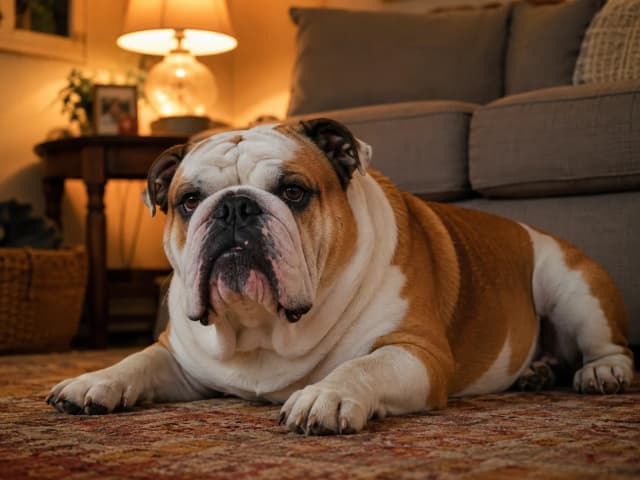

British Bulldog
By James C. • Updated
The British Bulldog, also called the English Bulldog, is a stocky, muscular companion with heavy wrinkles, broad shoulders and a short, pushed-in nose. It is calm and deeply affectionate with its family, but its breathing, skin folds and sensitivity to heat need careful, daily management.
Breed Overview
Life Span
8 - 10 years
Average Price
AUD 700 - AUD 2500
Weight
Male: 24 - 25 kg Female: 22 - 23 kg
Height
Male: 31 - 40 cm Female: 31 - 40 cm
Life Expectancy
Male/Female: 8 - 10 years
Breed Group
Utility / Companion (Non-sporting)
Nicknames
British Bulldog, Bulldog, Churchill Dog
Breed Information
Few breeds are as instantly recognisable as the English Bulldog. The low, solid frame, the wrinkled face and that unhurried, dignified way of carrying itself all come straight out of British history. It was bred for strength and grit. The modern Bulldog is something else entirely: a devoted house dog, valued for its temperament far more than its stamina.
Think of it as a people dog. A Bulldog wants close contact, a steady routine and a place in the middle of family life, not a job. Most are gentle, patient and strongly attached to their owners, which suits households after a calm, predictable dog.
There is a catch, and it is a big one. The flat face, skin folds and compact build need informed care every day. Owners prepared to manage health, keep exercise sensible and stay on top of grooming will find a steady, affectionate companion that fits apartment or suburban life equally well.
Characteristics of the English Bulldog
People often misjudge this breed. It does not need much exercise, but it does need thoughtful daily care, plenty of company and an owner who respects its physical limits. Here is what living with one is typically like.
| Characteristic | Rating | Star Rating | What This Means for You |
| Size | Medium | ★★★☆☆ | Compact but heavy-set. Fine in a modest home, as long as movement is controlled. |
| Adaptability | Very Good | ★★★★☆ | Copes with an apartment or a house if temperature, routine and company are managed. |
| Exercise Needs | Moderate | ★★★☆☆ | Short daily walks and light play, not long or intense sessions. |
| Easy to Train | Moderate | ★★★☆☆ | Clever but stubborn at times. Patient, reward-based training works best. |
| Amount of Shedding | Moderate | ★★★☆☆ | Sheds all year, a bit more seasonally. Routine brushing keeps it in check. |
| Grooming Needs | Moderate | ★★★☆☆ | The coat is easy. Skin folds, ears and nails need regular attention. |
| Good With Children | Excellent | ★★★★★ | Patient and tolerant, especially when socialised and supervised. |
| Health of Breed | Low | ★★☆☆☆ | Prone to several breed-specific problems that need close monitoring. |
| Cost to Keep | High | ★★☆☆☆ | Vet care, insurance and health management add up. |
| Tolerates Being Alone | Low | ★★☆☆☆ | Very people-focused and may get anxious if left alone for long. |
| Intelligence | Moderate | ★★★☆☆ | Learns well when motivated, though independence slows things down. |
The Bulldog suits owners who want companionship more than activity and who will look after its health, comfort and routine. Get that right and you have a loyal, calm presence in the house.
History of the English Bulldog
The breed's story runs right through Britain's past. It developed in England during the 12th century, when bull baiting became a public spectacle.
Those first Bulldogs came from mastiff-type dogs chosen for courage, strength and an unusually high pain tolerance. They were far more athletic and aggressive than today's dog, built to fight rather than to sit on the couch.
By the 16th and 17th centuries, bull baiting was common across England, and the job shaped the body. A low centre of gravity, broad shoulders, powerful jaws and a firm grip were essential. So was a reputation for tenacity and fearlessness, which still colours how people see the breed.
Then, in 1835, bull baiting and other blood sports were outlawed. With no job left, the Bulldog came close to disappearing. Enthusiasts stepped in and began reshaping it as a companion.
They bred out the aggression and selected for temperament, loyalty and steadiness. The look changed too, with a shorter muzzle, a heavier frame and the expression we know now.
Kennel clubs recognised the breed later in the 19th century, and breed societies followed. By the early 20th century the Bulldog had become a national symbol of British resilience, closely tied to the country's wartime spirit. More recently, breeders have turned their attention to health and welfare, toning down exaggerated features and pushing for responsible breeding.
The calm, affectionate dog of today owes as much to that careful preservation as to its rough beginnings.
Appearance of the English Bulldog
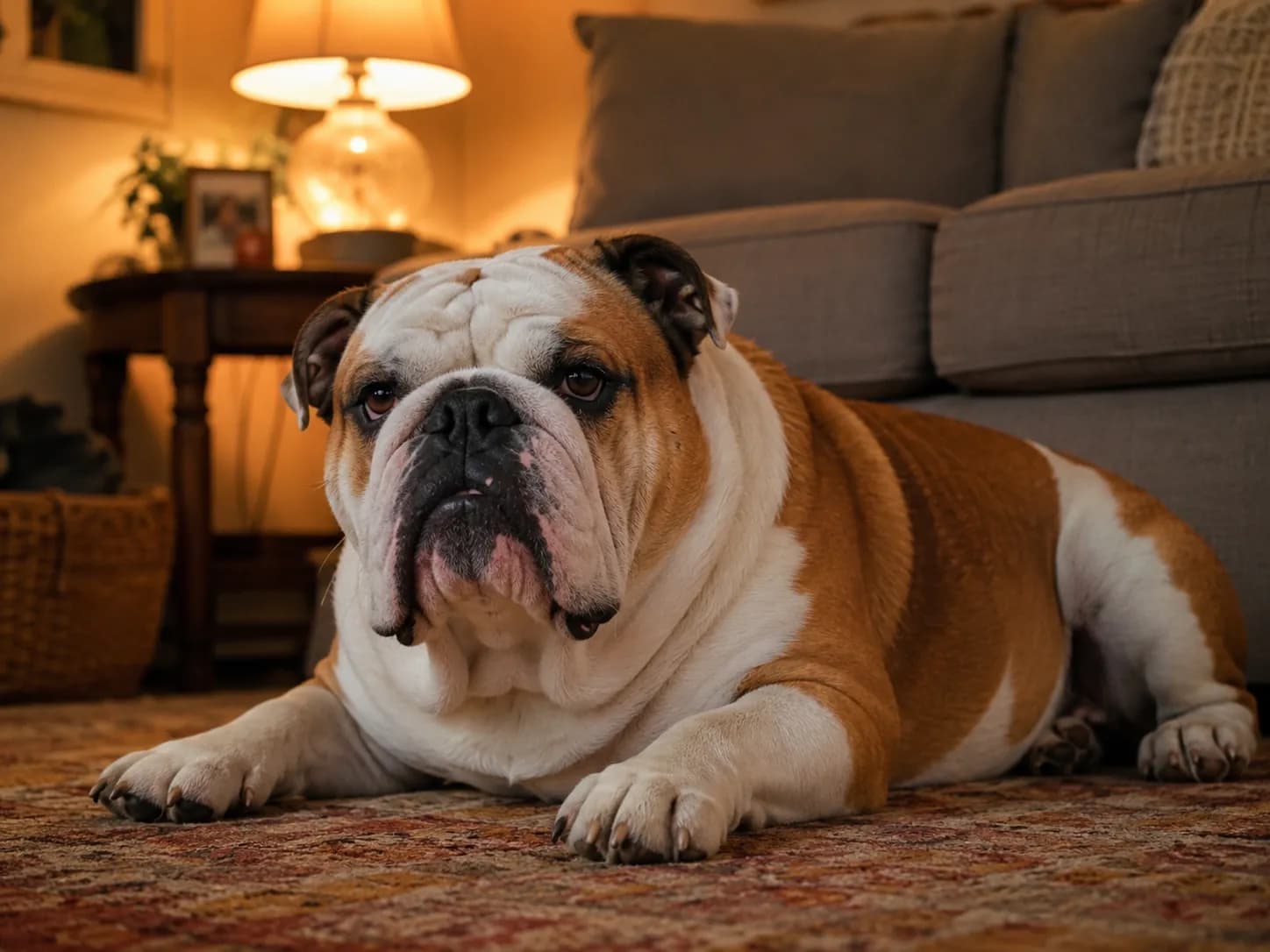
You would know an English Bulldog anywhere, with its compact, powerful build and a flat-faced look it shares with the French Bulldog, its smaller and more active relative. It is classed as medium-sized but carries a lot of weight for its height. The result is a solid, grounded dog built for strength, not speed.
Size and Build
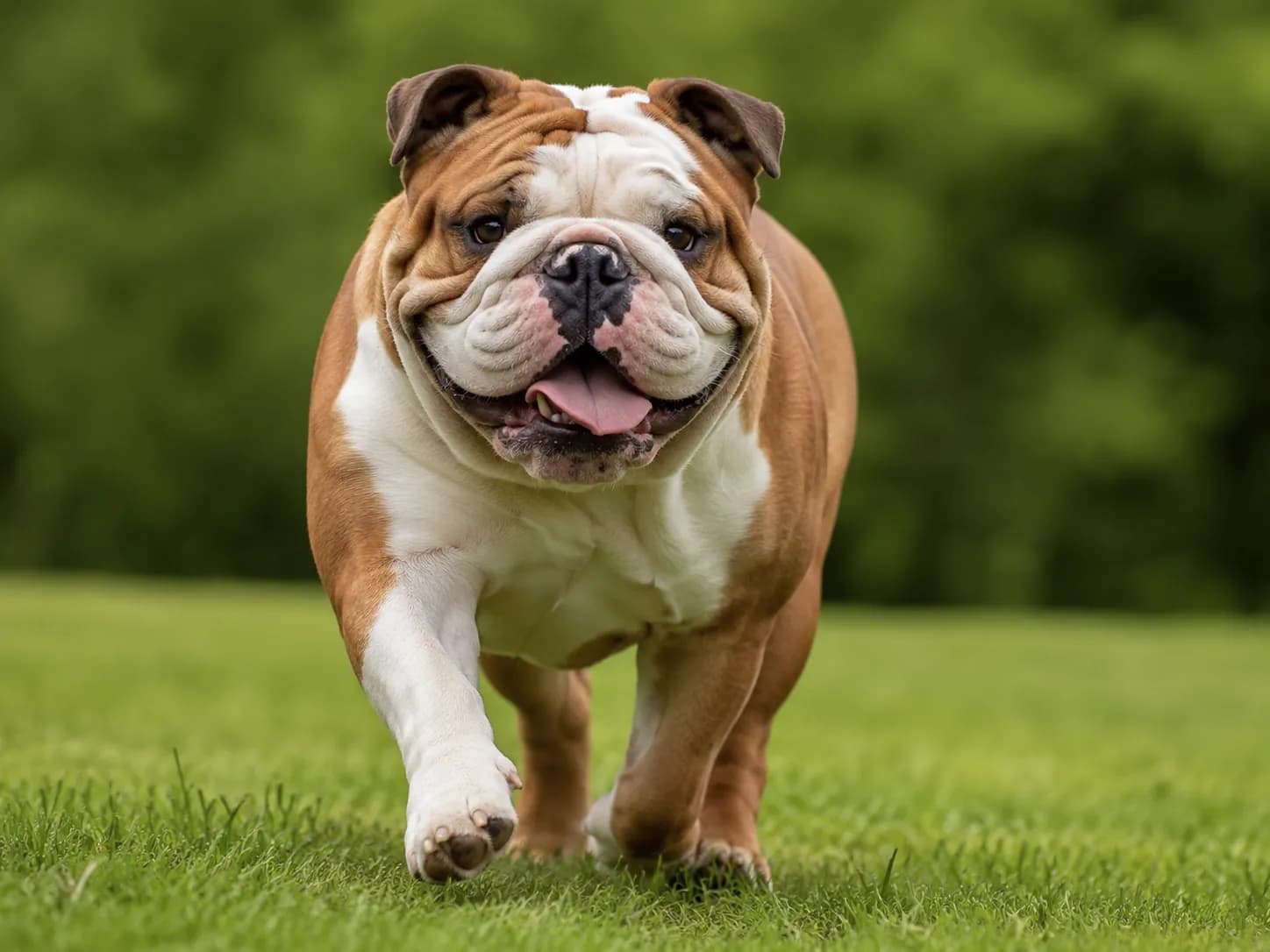
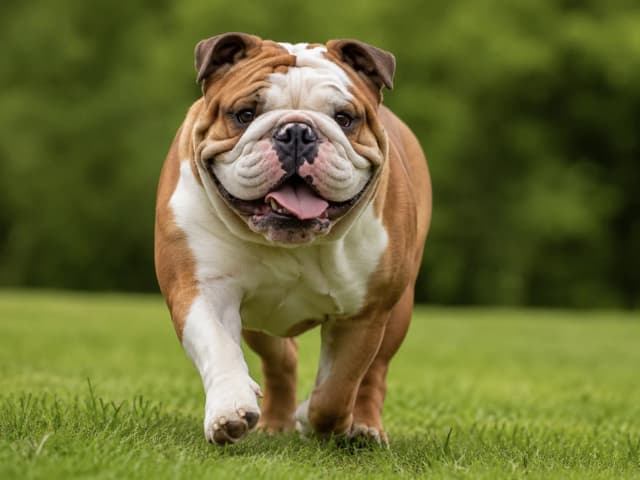
Bulldogs sit low to the ground, with a broad chest, heavy shoulders and a back that rises slightly towards the hindquarters. Males typically weigh 24 to 25 kg and females 22 to 23 kg. Height is usually 31 to 40 cm for both. Short, sturdy legs under a thick, muscular body give the breed its famous stance and deliberate walk.
Head, Face, and Expression
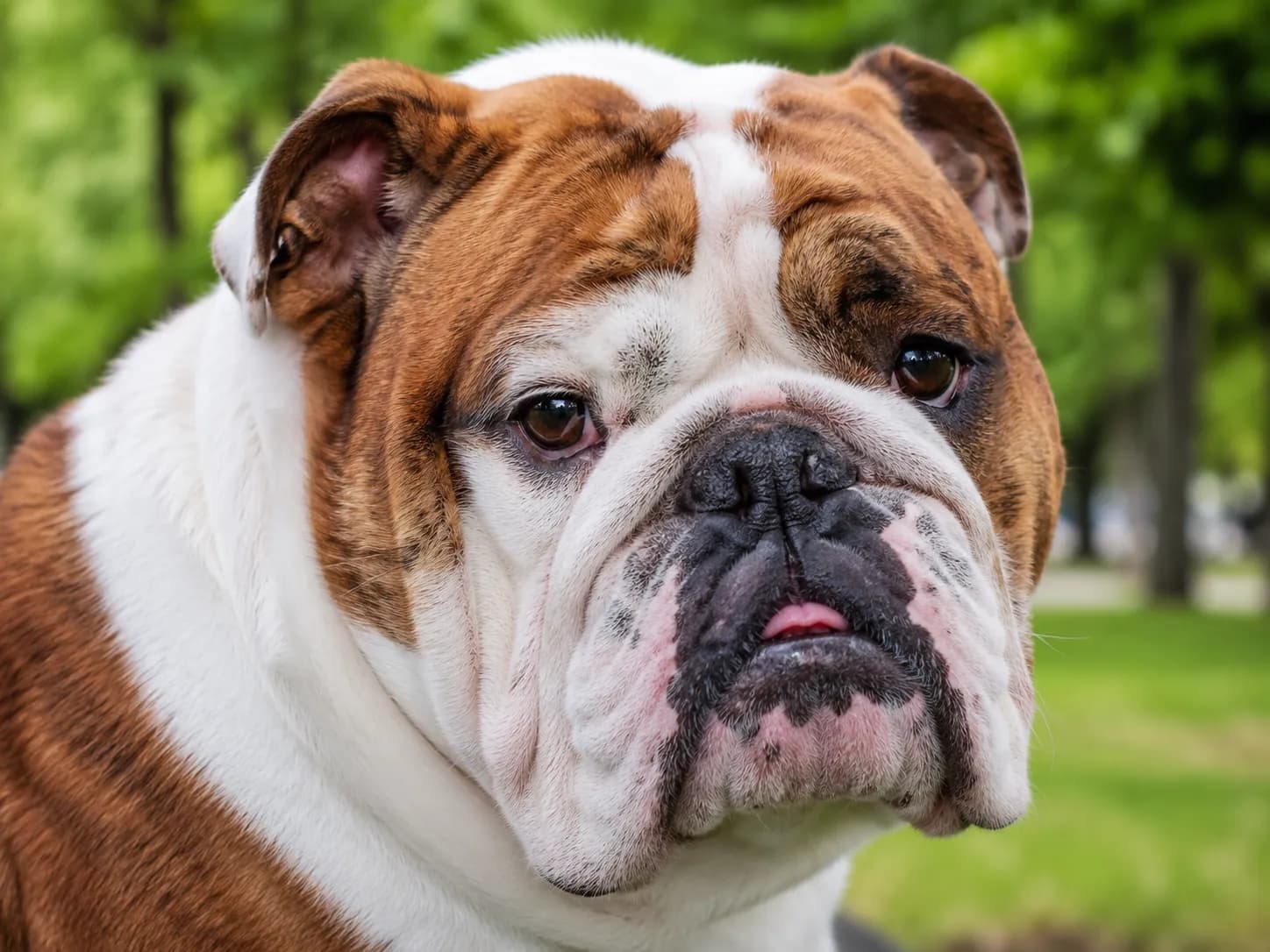
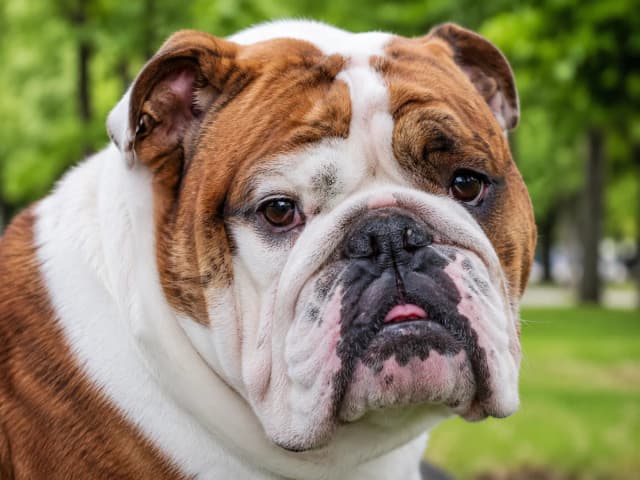
The head is big and broad, heavily wrinkled, with a deep furrow between the eyes. A short, pushed-in nose, wide nostrils and an undershot jaw define the face. The eyes are dark, round and set wide, so the expression manages to look serious and gentle at once. Small rose ears sit high and fold neatly back.
Coat and Colour
The coat is short, smooth and fine, lying close with a glossy finish. It is easy to look after and sheds moderately all year. Accepted colours are brindle, fawn, red, white and mixes of these. Merle is not recognised and is avoided because of the health risks linked to it.
Movement and Presence
The walk is a slow, rolling gait seen in no other breed, with short steps and a slight sideways roll through the shoulders. Speed and endurance are not on the menu. Confidence is, and the Bulldog moves with a steady calm that matches its nature.
Everything about the look tells the same story: a tough working dog turned composed companion, iconic features intact.
Temperament of the English Bulldog
Calm, affectionate and dependable, the English Bulldog rarely makes a fuss, so sudden growling is worth understanding rather than ignoring. Behind the tough face is a gentle dog that bonds closely with its owners. Bulldogs are not independent. They like to stay near their people and quietly follow the household routine.
Core Personality Traits
Steady is the word. Bulldogs are patient, tolerant and slow to react, which helps in a busy family home. They play in short bursts, then happily spend much of the day snoozing near you rather than looking for action.
Social Behaviour With People and Other Dogs
Socialised Bulldogs are usually friendly with visitors and dogs they know. They are not big barkers, and they lean towards reserved rather than excitable. Some, particularly males, can get a little stubborn or possessive if the rules keep changing, but real aggression is uncommon. Early exposure to new places, people and animals builds a confident adult.
Attachment and Emotional Needs
This breed needs people. Long or frequent stretches alone can lead to separation-related stress. Bulldogs do best with a predictable routine, in a home where they are part of daily life rather than background furniture.
If you want a calm, affectionate dog that is emotionally tuned in to you, and you can offer patience, consistent boundaries and regular company, a Bulldog will repay you with steady loyalty.
Intelligence and Trainability of the English Bulldog
Bulldogs are smart, but independence and determination drive how they learn, not a love of repetition. They understand a command quickly and then decide whether it is worth doing. Patience and a calm, structured approach get much further than intensity.
Learning Style and Mental Ability
Bulldogs watch everything and love routine. They pick up household patterns easily and respond to training that feels purposeful. They are not quick learners in the classic sense, but their intelligence is practical, and clear, consistent expectations let them adapt well.
Training Approaches That Work Best
Use positive reinforcement. Gentle praise, food rewards and calm encouragement work far better than pressure or correction. Keep sessions short and focused, and keep your tone and commands consistent so the dog is never left guessing.
Puppy Training and Early Socialisation
Early training shapes a confident, well-mannered adult. Start basic obedience, lead manners and controlled social outings young. Meeting new places, people and everyday situations as a puppy builds emotional stability and makes stubborn or possessive habits less likely later.
Common Training Challenges
Most owners run into the same handful of problems:
- Stubbornness: Sense inconsistency or impatience and a Bulldog may simply refuse, choosing comfort over compliance.
- Low tolerance for repetition: Repeat an exercise too often and it switches off or quietly resists.
- Sensitivity to tone: A harsh voice or physical correction leads to withdrawal, not better behaviour.
- Food possessiveness: Without early boundaries, some become protective of meals or treats.
Work at the breed's pace, keep expectations realistic and stay consistent. Progress will be steady, and the bond you build along the way is strong.
Children and Other Pets
English Bulldogs have a long-standing reputation as gentle family dogs, and it is well earned. Their calm, patient nature suits a busy household, provided play is managed and the dog's physical limits are respected.
Interaction With Children of Different Ages
Bulldogs are typically very tolerant of children, including little ones. Supervision is still essential. A heavy, slow-moving dog can knock a toddler over without trying, so accidental bumps are the real risk, not deliberate reactions.
Teaching Children Appropriate Behaviour
Kids need to learn to treat a Bulldog calmly and with respect. A few clear house rules help:
- No climbing on, ear pulling or sitting on the dog
- Leave the dog alone while it eats or rests
- Gentle play only, nothing rough
Consistent rules protect child and dog alike, cutting stress and heading off defensive behaviour.
Living With Other Dogs and Pets
With early socialisation, Bulldogs usually live happily with other dogs. They are not naturally dominant, but rushed or badly handled introductions can make them stubborn or territorial. Calm, positive introductions set up a peaceful multi-dog home.
Small pets need more care. Prey drive is generally low, yet a Bulldog's weight and clumsiness mean supervision is a must. Cats raised alongside a Bulldog puppy tend to be accepted more easily.
Creating a Balanced Home Environment
Structure, supervision and a quiet spot to retreat to help a Bulldog feel secure. Once children and other pets know the rules and routines stay consistent, it usually settles into a calm, dependable member of the household.
Health of the English Bulldog
Bulldog health issues are well documented and need informed, proactive management, including knowing how quickly heatstroke sets in indoors. Plenty of Bulldogs live comfortable, happy lives. Their build, though, means owners have to stay alert to problems from puppyhood to old age.
Breed-Specific Health Conditions
English Bulldogs are brachycephalic, with a shortened skull and flat muzzle. That can cause breathing trouble, especially brachycephalic obstructive airway syndrome (BOAS), which may bring noisy breathing, low exercise tolerance and heat sensitivity. Keeping your dog cool and its activity measured is central to managing it, and worth discussing with your vet early.
Other commonly reported concerns include:
- Skin fold dermatitis: Moisture and debris trapped in facial folds can cause irritation and infection without regular cleaning.
- Hip and elbow dysplasia: Joint abnormalities that may affect mobility and comfort over time.
- Patellar luxation: The kneecap slips out of place, causing on-and-off lameness.
- Eye conditions: Including cherry eye, entropion and ectropion, often linked to the shape of the face.
- Dental overcrowding: Short jaws crowd the teeth and raise the risk of gum disease.
Genetic Testing and Responsible Breeding
Good breeders health screen to reduce inherited disease. Recommended tests include DNA screening for hyperuricosuria (HUU), respiratory function grading for BOAS, and hip and elbow assessments. Breeding programmes that follow kennel club and breed council health schemes make a real difference to long-term welfare.
Preventative Healthcare and Monitoring
Regular vet care is non-negotiable. Health checks, weight control, dental care and skin inspections catch problems early. Vaccinations, parasite prevention (including paralysis tick protection on the east coast) and an exercise plan suited to the dog keep it well, particularly as it ages.
Insurance and Long-Term Planning
Ongoing health needs are likely, so comprehensive pet insurance is strongly advised. It softens the cost of treating respiratory, joint or skin conditions and gives you peace of mind for the whole of the dog's life.
Attentive care, responsible breeding and an informed owner go a long way. Many Bulldogs enjoy a good quality of life with owners who stay proactive about health.
Caring for the English Bulldog
Day-to-day Bulldog care is about comfort, routine and health. The breed is not physically demanding, but its needs are specific, so consistency matters.
Daily Care Routine
A good Bulldog day mixes rest, gentle activity and time with people. Expect short walks, light play, meals at set times and a check of the skin folds. Brief training sessions or interactive toys keep boredom away without wearing the dog out.
Living Environment Requirements
Apartments and houses both work, as long as the dog stays cool and comfortable. Heat sensitivity means living indoors with good ventilation is essential, particularly over summer. A fenced garden is useful for supervised, low-key activity, not for long hours outside.
Seasonal Care Adjustments
The seasons make a big difference. In warm weather, exercise only in the cooler parts of the day, with fresh water and shade always on hand. In winter, the short coat gives little insulation, so a Bulldog may need extra warmth inside. Keep it out of damp conditions to protect the skin.
Senior Care Considerations
Older Bulldogs need more support. Think joint care, gentler exercise and more frequent vet checks. Cushioned bedding, ramps to save the joints and a stable routine all help comfort and mobility.
Plan the daily care well and stay ahead of health issues, and a Bulldog can live a comfortable life at every stage.
Grooming of the English Bulldog
Bulldog grooming is mostly skin care and hygiene, including watching for signs of skin irritation in the facial folds. The coat is simple. The folds and the face are where the work is, because neglect there leads to irritation and infection.
Coat Care and Shedding
The short, smooth coat sheds moderately year-round. Weekly brushing usually clears loose hair and keeps the coat healthy. Brush a little more often during seasonal sheds.
Skin Folds and Facial Wrinkles
The folds are the single most important grooming job with this breed. Moisture, food and dirt get trapped in them and can cause irritation or infection. Check daily, wipe gently with a damp cloth and dry thoroughly.
For good wrinkle care:
- Clean the folds gently, without harsh products
- Make sure every fold is completely dry afterwards
- Watch for redness, smell or discharge
Ears, Nails, and Dental Hygiene
Check ears weekly for wax or signs of infection and clean as needed. Nails usually need trimming every two to three weeks, since Bulldogs do not walk enough to wear them down. Teeth matter just as much, because crowding raises the risk of gum disease. Brush regularly and keep up dental checks.
Bathing and Professional Grooming
Bath sparingly, usually no more than a few times a year unless your vet says otherwise. Too much bathing dries the skin and makes irritation worse. A professional groomer is not normally needed, though some owners get help with nails or advice on skin care.
Gentle, regular grooming keeps a Bulldog clean and comfortable, and an owner who watches the skin closely prevents most of the usual problems.
Exercise of the English Bulldog
Exercise needs are moderate, and consistency counts for more than intensity. This is not an athletic dog. Regular movement still matters for weight, joints and boredom, and every routine has to allow for the flat face and poor heat tolerance.
Daily Exercise Requirements
Most Bulldogs do well on two short walks a day plus some light play, inside or out. Let the dog set a relaxed pace. Overdoing it can bring on breathing trouble fast, so stop at the first sign of tiredness or heavy panting.
Suitable Activities for the Breed
Low-impact activity keeps a Bulldog fit and interested without straining its body. Good options include:
- Short lead walks on flat ground
- Gentle play indoors or in the shade
- Interactive games that get it moving without overexcitement
- Brief training exercises that mix brain work with light activity
Exercise Restrictions and Safety Considerations
The short muzzle makes it hard for a Bulldog to cool down. Skip exercise on hot or humid days and walk early in the morning or in the evening. On a muggy Brisbane afternoon, the couch is the right call. Stairs and water are risky too. Bulldogs are poor swimmers and tire quickly, so never leave one unsupervised near a pool or the beach.
Preventing Weight Gain Through Movement
Regular, controlled exercise helps prevent obesity, which makes breathing and joint problems worse. A steady routine beats occasional bursts of hard activity for keeping a Bulldog mobile and comfortable.
Handled with care and moderation, exercise supports a Bulldog's health without putting it at risk. Consistency and an eye on the weather are what keep it fit and comfortable.
Feeding of the English Bulldog
What and how you feed a Bulldog has a big effect on its health, comfort and lifespan, and watching for signs the diet is not working helps you adjust early. The breed gains weight easily and often has food sensitivities, so a balanced, carefully measured diet matters from puppyhood onwards.
Nutritional Needs
Feed a high-quality, complete diet that maintains muscle without excess calories. Protein should be animal-based and easy to digest, with moderate fat to avoid weight gain. Food that supports joints and skin is a bonus for this breed.
Key nutritional priorities include:
- Enough protein to maintain muscle
- Controlled fat to reduce the risk of obesity
- Added omega fatty acids for skin and coat
- Easily digested ingredients to limit stomach upsets
Feeding Schedule and Portion Control
Adults generally do best on two measured meals a day. Puppies may need three to four smaller meals until growth settles. Portion control is critical. Bulldogs are very food-motivated and will overeat if allowed, so count treats as part of the daily intake.
Common Dietary Sensitivities
Food-related skin and stomach problems are common. Look for itching, ear infections, loose stools or wind. A limited-ingredient or hypoallergenic diet, ideally on your vet's advice, can help pin down the cause. Avoid sudden food changes, which upset the gut.
Weight Management and Monitoring
A lean Bulldog breathes easier and puts less strain on its joints. Weigh regularly and look at body shape so you spot changes early. If weight creeps up, adjust food and add gentle activity gradually, with your vet's guidance.
A structured feeding routine and careful food choices keep weight and digestion stable, and they do a great deal for a Bulldog's long-term comfort.
English Bulldog Price and Ongoing Costs
An English Bulldog costs more than average to keep in Australia, so it is worth comparing British Bulldog puppies listed across Australia first. It is not a large dog, but health needs, insurance and long-term care make it a serious financial commitment.
Purchase Price in Australia
Puppies typically cost AUD $3,000 to $6,000, depending on breeder standards, bloodlines and health testing. Ethical, registered breeders who fully health screen and follow breed club guidelines usually sit at the top of that range. Be wary of prices well below it, which can point to little health testing or poor breeding.
Initial Setup Costs
Before your Bulldog comes home, budget for:
- Bedding, a crate and cooling mats for warmer climates
- A harness and lead suited to a brachycephalic breed
- Food and water bowls, often slow feeders
- Grooming and skin fold care products
- Basic training tools and enrichment toys
Setup usually runs to AUD $300 to $500, depending on quality and what your household needs. Council registration is another early cost to plan for.
Ongoing Monthly Expenses
Monthly costs can be substantial, mostly because of health care and prevention. Typical expenses include:
- High-quality food suited to sensitive digestion
- Routine vet visits and parasite prevention
- Skin, dental and grooming upkeep
- Comprehensive pet insurance
Expect around AUD $120 to $200 a month on average, with insurance often a large share because of breed-specific health risks.
Lifetime Cost Considerations
Bulldogs live 8 to 10 years on average, and lifetime costs add up. Allow for ongoing vet care for breathing, joint and skin conditions. A realistic annual budget is AUD $2,500 to $3,500, depending on health and insurance cover.
This is not a cheap breed. Plan for it properly and put money into prevention, and you will be in a far better position to give your dog a stable, comfortable life.
Buying Advice for the English Bulldog
With a breed this well known for health problems, research before you buy is essential. The breeder or rehoming option you choose shapes your dog's long-term health, temperament and quality of life.
Finding Ethical English Bulldog Breeders in Australia
Good breeders put health, welfare and temperament ahead of looks or profit. Look for someone open and knowledgeable who will talk honestly about the breed's challenges as well as its charms.
When browsing listings on Pups4Sale, look for breeders who:
- Clearly state the health testing done on breeding dogs
- Provide current vet checks, microchipping and vaccination records
- Share details about the puppy's parents and living environment
- Are registered with recognised bodies such as Dogs Australia (ANKC)
- Welcome questions and stay in contact after purchase
Be cautious with breeders who rush you, dodge health questions or advertise unusually low prices.
Health Testing and Documentation to Confirm
Given the Bulldog's build, health testing is not optional. At minimum, sellers should provide documents for:
- DNA testing for hyperuricosuria (HUU)
- Breathing or airway assessments relevant to brachycephalic breeds
- Hip and joint evaluations where available
- Vet health checks, worming and vaccination history
Give priority to Pups4Sale listings that include clear health information and supporting documents.
Choosing the Right Puppy or Dog
A healthy Bulldog puppy looks calm, alert and comfortable at rest. Breathing should be quiet, folds clean and movement steady. A puppy that seems constantly distressed, very lethargic or obviously struggling to breathe may have underlying problems.
With an adult Bulldog, talk through behaviour, health history and ongoing care in detail before committing.
Agreements, Transparency, and Buyer Responsibility
Ethical sellers put health disclosures, return policies and breeder responsibilities in writing. Expect to be asked about your understanding of the breed's care, too. Responsible breeders want the right home, not a quick sale.
Rehoming and Adoption Through Pups4Sale
Pups4Sale also lists adult English Bulldogs that need new homes. Rehoming can be a great option for experienced owners who know what the breed needs, and these listings often give useful detail on the dog's temperament, routine and medical history.
Compare listings on Pups4Sale, ask good questions and favour health-focused sellers, and you will make a decision that is good for the breed and for your future dog.
Final Thoughts on the English Bulldog
The English Bulldog is all loyalty and character, and it lives for its family. It is calm and affectionate, but it is not low maintenance. Owning one well means understanding its health sensitivities, its daily care and how much it relies on human company.
If you like routine, want a dog that stays close and are ready to manage health and comfort, a Bulldog can be a hugely rewarding pet. Its steady nature and patience with children suit many Australian homes, from inner-city apartments to big family houses.
Thinking of bringing one home? Take your time researching breeders, read listings carefully and ask the right questions. Pups4Sale makes it easier to compare available puppies and dogs, so you can make an informed, ethical choice that is good for your future companion and for the breed.
Frequently Asked Questions
Related Breeds
Other companion breeds on Pups4Sale.
 BullmastiffGiant • Working
 Cavalier King Charles SpanielSmall • Toy
 CavoodleSmall • Companion
 ChihuahuaSmall • Toy
 Chow ChowMedium • Non-Sporting
 DalmatianLarge • Utility